
How Live Dealer Games Work at Australian Online Casinos
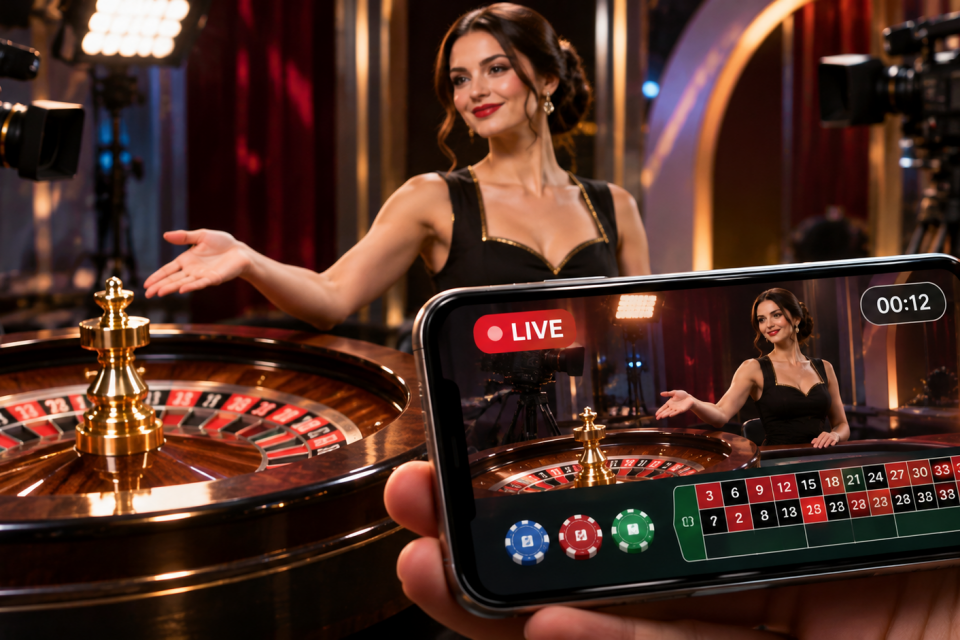
Live dealer games stream a real table straight to a phone, tablet or browser. A host deals cards or spins a wheel, cameras catch every move, and the player bets through the interface without touching a separate app or going anywhere. Most Australian platforms keep available tables in a dedicated lobby, Casiny Casino live games among them, with limits and rules visible before you sit down. One thing that catches newcomers: each round runs on a fixed clock. The betting window opens, closes, and the dealer moves on. No pausing.
The Studio Behind the Screen
There is an actual room somewhere with tables, cameras, microphones, lighting rigs and control equipment. It runs continuously. Tables are set up for roulette, blackjack, baccarat, poker variants and game-show titles, each one lit and staffed like a small broadcast set.
Camera angles switch during a round. One shows the dealer, another covers the table layout, a third zooms in on the wheel or the card being drawn. The feed connects to software that reads the result and updates every player’s screen simultaneously.
A single studio can supply dozens of casinos through a provider network. Some tables are shared across all connected sites. Others carry a specific operator’s branding or sit behind a private room. The table label tells you which game, what currency, what limits, whether seats are available.
How a Round Actually Moves
Same sequence, every time.
Betting opens. Chip controls appear, a countdown runs, and you place the wager on the digital layout. When the timer hits zero, no further bets are accepted. Then the physical action starts: the wheel spins, cards are dealt, the draw is made. The result lands on screen. Winning bets settle automatically. A new window opens.
The player never instructs the dealer directly. The interface takes the wager. The dealer runs the table. Those are two separate things.

The Games
Roulette: chips go on a digital layout, wheel spins, result pays. European and French variations have their own layouts and rule sets, worth checking before you bet on a combination you haven’t tried before.
Blackjack shows the dealer’s hand clearly and gives you buttons for hit, stand, double or split depending on the rules at that specific table. Cards are real. The dealer is real. The buttons just translate your decision into the physical game.
Baccarat moves quickly. Banker, player or tie before the draw; fixed drawing rules after that. Fast rounds, minimal decision-making, suits players who want something to watch more than something to control.
Game-show titles are a different thing entirely. A wheel, multipliers, bonus rounds layered over the standard betting window. The rules page matters more in those games. Prize mechanics stack in ways that aren’t obvious from the lobby preview.
Limits and Table Selection
Every live table has a minimum and a maximum. Low-limit tables work for smaller sessions; premium tables sit higher and sometimes have fewer seats or a more formal setup. The displayed minimum does not always cover every bet on the layout. Roulette can list a table minimum while requiring different chip sizes for specific combinations. Blackjack may have a base wager plus optional side bets alongside it.
Busy tables fill fast at peak hours. Many providers run unlimited-seat versions where multiple players join the same stream at once. The lobby shows whether a seat is immediately available or whether you’re waiting.
The Dealer’s Role
The host runs the physical game, calls out key stages and keeps the round moving. Chat is usually available. The dealer reads it, occasionally responds, and keeps dealing.
Account questions, payment issues and anything involving verification belong with casino support, not the chat window. Personal details should never appear in a live table chat. A polite message is fine. Anything else needs a secure channel.
Dealers rotate during shifts. It has no effect on bets in progress or the game itself.
Results and Records
Results come from physical equipment, confirmed through optical recognition, sensors or trained studio staff depending on the provider. Each outcome is verified before the round closes. The account history shows placed bets, results and settled amounts. There is sometimes a short delay between the physical event and the on-screen update because video and result confirmation have to stay aligned.

Device and Connection
Live streaming pulls more data than standard digital games. A stable connection keeps the video feed and betting controls running together. If the stream drops during a betting window, the interface shows the status of any accepted wager. A bet confirmed before the timer closed is recorded regardless of what happens to the feed after that.
An updated browser or the casino’s current app cuts down on technical friction. A larger screen makes layouts and side-bet options easier to read.
Before You Sit Down
Pick the table limit before you start, not after the third round. Set a budget. Treat each round as its own event. The live format makes everything feel immediate because a person is on screen and the action is unfolding in real time. The rules and limits work exactly the same way they always do.